


Chitu Systems Review: Unleashing the Full Potential of Resin 3D Printing
The landscape of desktop manufacturing has undergone a massive transformation over the last few years. Among the brands driving this evolution, Chitu Systems stands out as an absolute powerhouse. If you have spent any time in the resin 3D printing community, chances are you have already interacted with their technology—whether through the ubiquitous ChituBox slicing software or the brains powering some of the most popular MSLA printers on the market.
For US-based makers, engineers, tabletop gamers, and jewelry designers, finding reliable, high-precision equipment is critical. Poor calibration, failed prints, and cumbersome software can quickly turn a passionate hobby into an expensive frustration. That is why taking a closer look at Chitu Systems and their ecosystem of hardware, firmware, and software is essential for anyone looking to step up their 3D printing game.
In this comprehensive, hands-on review, we will break down everything you need to know about Chitu Systems. We will examine their core offerings, analyze their standout features, weigh the pros and cons, and help you decide if their technology deserves a spot in your workshop. Let us dive deep into what makes this brand a dominant force in the additive manufacturing space.
Understanding the Chitu Systems Ecosystem
To truly understand what Chitu Systems brings to the table, you have to look beyond a single piece of hardware. Unlike brands that simply manufacture machines, Chitu Systems provides the underlying infrastructure for a vast portion of the global resin 3D printing market.
Founded by industry veterans with a deep focus on control systems and software development, the company carved out a niche by supplying stable motherboards, high-definition mono screens, and the industry-standard slicing software, ChituBox. By controlling both the digital interface and the physical control boards, Chitu ensures seamless communication between your computer and your printer.
For the average consumer in the United States, this integrated approach translates to fewer guesswork steps, wider compatibility with third-party resins, and a much smoother troubleshooting process when things do go wrong. Whether you are upgrading an existing machine or investing in a brand-new setup, understanding this ecosystem is the first step toward mastering high-resolution resin printing.
Core Hardware Offerings: Precision Meets Reliability
When it comes to physical machines, Chitu Systems focuses on delivering industrial-grade precision at consumer-friendly price points. Their printers are engineered to meet the demands of professionals who require micron-level accuracy alongside hobbyists who want out-of-the-box ease of use.
Ultra-High-Resolution LCD Panels
One of the standout hardware characteristics of Chitu Systems printers is their commitment to cutting-edge LCD technology. Utilizing monochrome screens with ultra-high resolutions (ranging from 4K to 12K and beyond), these machines allow light to cure resin layers with astonishing clarity.
What does this mean for the end-user? It means sharper details on miniature models, smoother surface finishes on mechanical prototypes, and significantly faster exposure times per layer. A faster exposure time not only speeds up your overall print job but also extends the operational lifespan of the LCD screen itself—saving you money on replacement parts down the road.
Sturdy Z-Axis Stability
Layer shifting and wobble are the arch-nemesis of high-precision 3D printing. Chitu Systems addresses this structural challenge by implementing robust dual linear rails and ball screw assemblies on their heavy-duty models. This mechanical rigidity ensures the build plate moves up and down with absolute stability, even when pulling heavy prints off the FEP film during the peel cycle.
The Software Advantage: ChituBox Pro and Basic
You cannot talk about Chitu Systems without discussing ChituBox. For millions of users worldwide, ChituBox is the default slicer for MSLA resin printing. The software bridges the gap between complex 3D CAD files or digital sculptures and the physical layer-by-layer instructions a printer needs to execute.
User-Friendly Interface and Workflow
ChituBox is famous for its intuitive, user-centric design. Even if you have never sliced a 3D model in your life, the learning curve is remarkably gentle. Importing files, scaling, rotating, and positioning objects on the virtual build plate takes only a few clicks.
Advanced Auto-Supports and Hollow Functions
Where ChituBox truly shines is its support generation engine. Resin printing relies heavily on scaffolding to hold overhanging islands in place during the print process. ChituBox offers both manual placement and a heavily optimized auto-support feature that places contact points intelligently, minimizing damage to the visible surfaces of your model.
Furthermore, the built-in hollow and hole-punching tools allow users to significantly reduce resin consumption. By hollowing out models and creating drainage holes, you save expensive photopolymer resin and prevent destructive suction forces inside the print vat. While the basic version of ChituBox is more than enough for casual users, the Pro version unlocks heavy-duty repair tools, advanced slicing algorithms, and multi-format support that professionals will find indispensable.
To stand out in a crowded marketplace, a brand needs to offer unique value propositions. Chitu Systems excels in several key technical areas that directly impact the user experience.
Open Ecosystem and Material Compatibility
Unlike closed-source printer ecosystems that lock you into purchasing proprietary, overpriced branded resins, Chitu Systems supports an open material philosophy. Their machines and software are calibrated to work smoothly with almost any standard, water-washable, engineering, or flexible resin available on the market. This gives US consumers the freedom to shop around for the best deals and find specialized materials tailored to their exact project requirements.
Smart Temperature Control and Air Purification
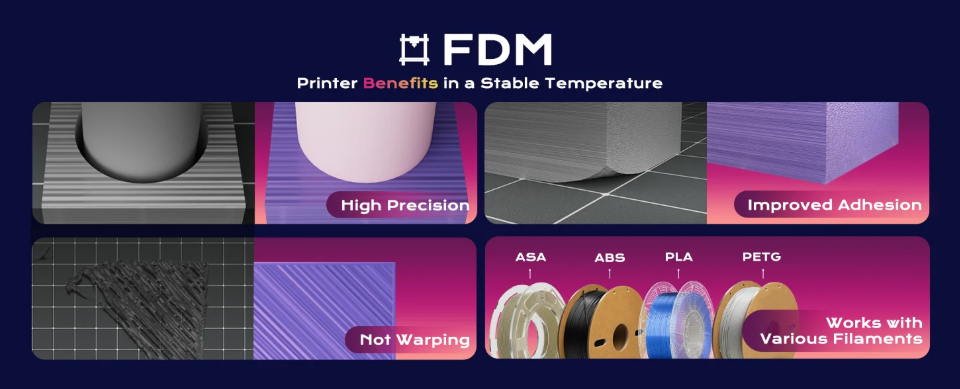
Resin printing involves dealing with liquid chemicals that emit distinct odors. Chitu Systems has integrated smart temperature control modules and active carbon air filtration systems into their advanced printer designs. Maintaining an optimal ambient temperature inside the printing chamber is vital for consistent curing, especially in colder US climates during the winter months. Meanwhile, the integrated air filtration helps keep your workspace smelling clean and breathable.
Upgradability and Developer Friendly
For the tinkerers and modification enthusiasts, Chitu Systems motherboards and control boards are legendary. Many makers buy older or budget printers and upgrade them with Chitu mainboards and touchscreens to breathe new life into legacy hardware. This modularity means the technology grows with you, allowing for custom firmware updates and hardware expansions as your needs evolve.
Pros and Cons of Chitu Systems Products
No review would be complete without an honest, balanced look at the advantages and potential drawbacks of investing in this brand.
The Advantages
Exceptional Print Detail: High-resolution monochrome screens deliver crisp edges, deep recesses, and flawless miniatures.
Industry Standard Software: ChituBox is universally supported, meaning skills you learn here translate across multiple brands.
Cost-Effective: Delivers professional-grade performance without the enterprise-level price tag.
Strong Community Support: Because millions use Chitu hardware and software, finding troubleshooting tips, custom profiles, and community guides online is remarkably easy.
Open Material Flexibility: Use any brand of 405nm resin without software lockouts.
The Potential Drawbacks
Learning Curve for Pro Features: While the basic software is easy, unlocking the full potential of advanced slicing tools takes practice.
Customer Support Wait Times: Due to global demand, technical support inquiries can sometimes experience slight delays depending on your time zone.
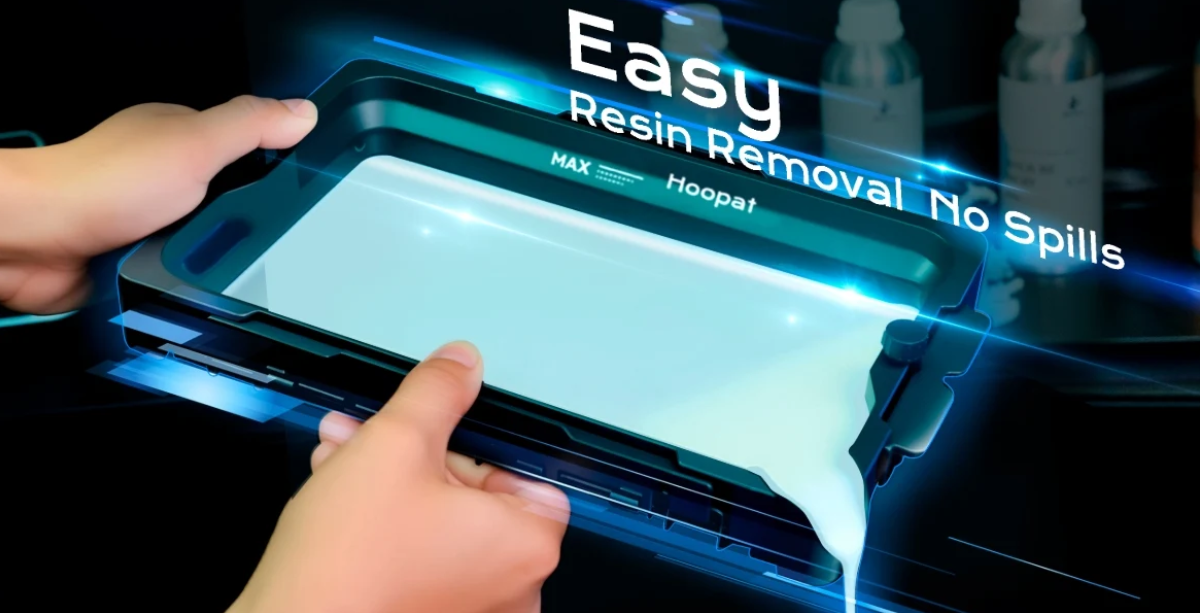
Hardware Maintenance: Like all resin printers, proper post-processing, cleaning, and periodic FEP film replacements are required to keep machines running at peak performance.
Ready to upgrade your 3D printing workshop with industry-leading precision and software? Explore the full range of products available right now. [LINK HERE]
Pricing and Value for Money
When evaluating the cost of Chitu Systems hardware and software upgrades, the value proposition becomes immediately apparent. Slicing software like ChituBox Basic is available for free, lowering the barrier to entry for beginners. For professionals who require advanced repairing tools and batch-processing capabilities, the ChituBox Pro subscription is competitively priced on an annual or lifetime license model, making it a modest business expense for serious designers and studio owners.
On the hardware side, Chitu-powered printers and controller upgrades punch well above their weight class. When compared to legacy industrial machines that cost tens of thousands of dollars, Chitu Systems delivers 90 percent of that performance for a fraction of the cost. For US consumers looking to maximize their return on investment—whether for a home-based Etsy business, rapid prototyping in an engineering firm, or a dedicated hobby space—the pricing model is exceptionally fair.
Who Is Chitu Systems Best For?
Not every 3D printing setup is right for every user. Here is a quick guide to help you determine if Chitu Systems is the right fit for your specific needs:
Tabletop Gamers and Miniature Painters: If you print armies of detailed fantasy miniatures, intricate terrain, and display models, the high-resolution screens and ChituBox support generation will save you hours of cleanup time.
Engineers and Product Designers: For rapid prototyping where dimensional accuracy and mechanical tolerances matter, the stability and open-material versatility make these systems a reliable workhorse.
DIY Makers and Upgraders: If you love modifying hardware, installing custom firmware, and optimizing your machine’s performance, the Chitu motherboard ecosystem offers endless customization potential.
Final Verdict: Is Chitu Systems Worth It?
In the fast-paced world of additive manufacturing, staying ahead of the curve requires tools that are reliable, precise, and continually evolving. Chitu Systems has cemented its reputation not just as a manufacturer, but as the invisible engine powering the resin 3D printing revolution.
By combining cutting-edge MSLA hardware with the industry’s most reliable and intuitive slicing software, they deliver an ecosystem that caters seamlessly to both beginners and seasoned professionals. While resin printing still demands patience, safety precautions, and regular maintenance, having the right technology in your corner makes all the difference between endless failed prints and flawless, museum-quality results.
If you are ready to take your 3D printing capabilities to the next level with industry-standard software and precision hardware, Chitu Systems comes with our highest recommendation.
Take the next step in your digital fabrication journey today. Discover the complete lineup of printers, accessories, and software upgrades. [LINK HERE]